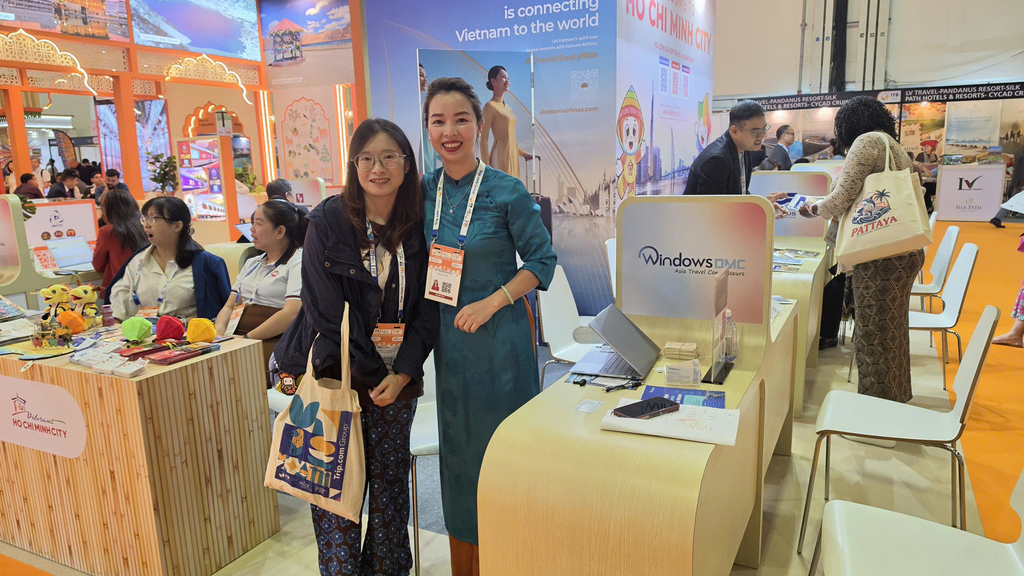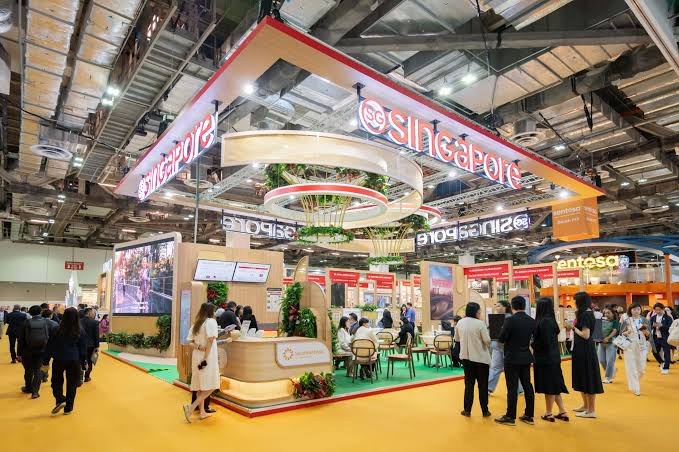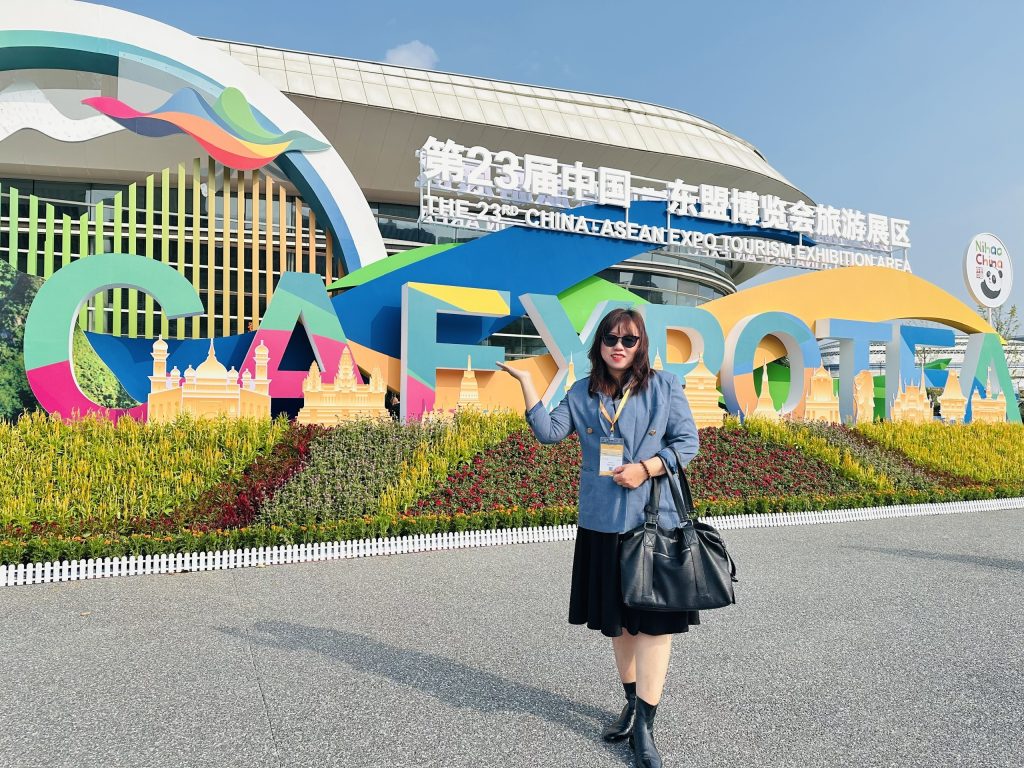

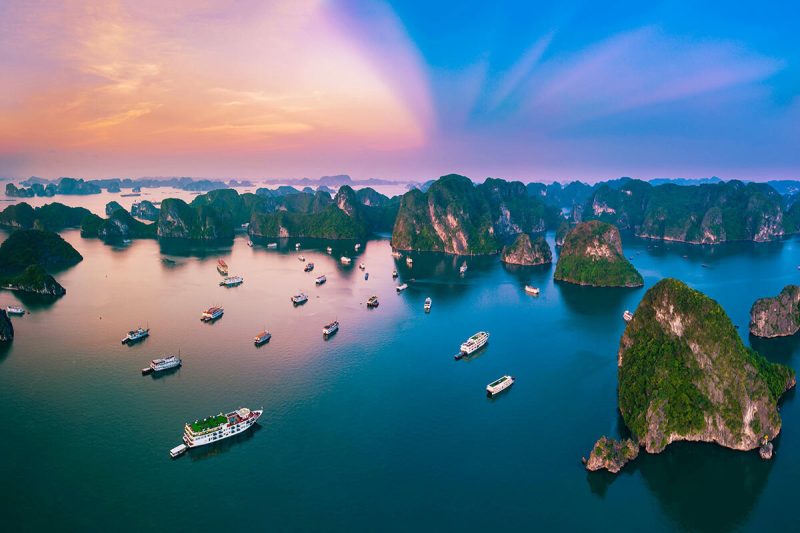
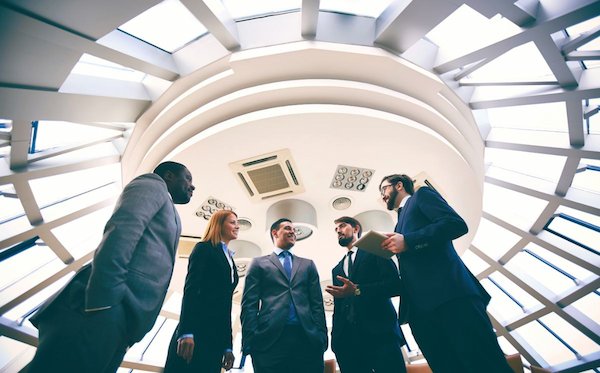
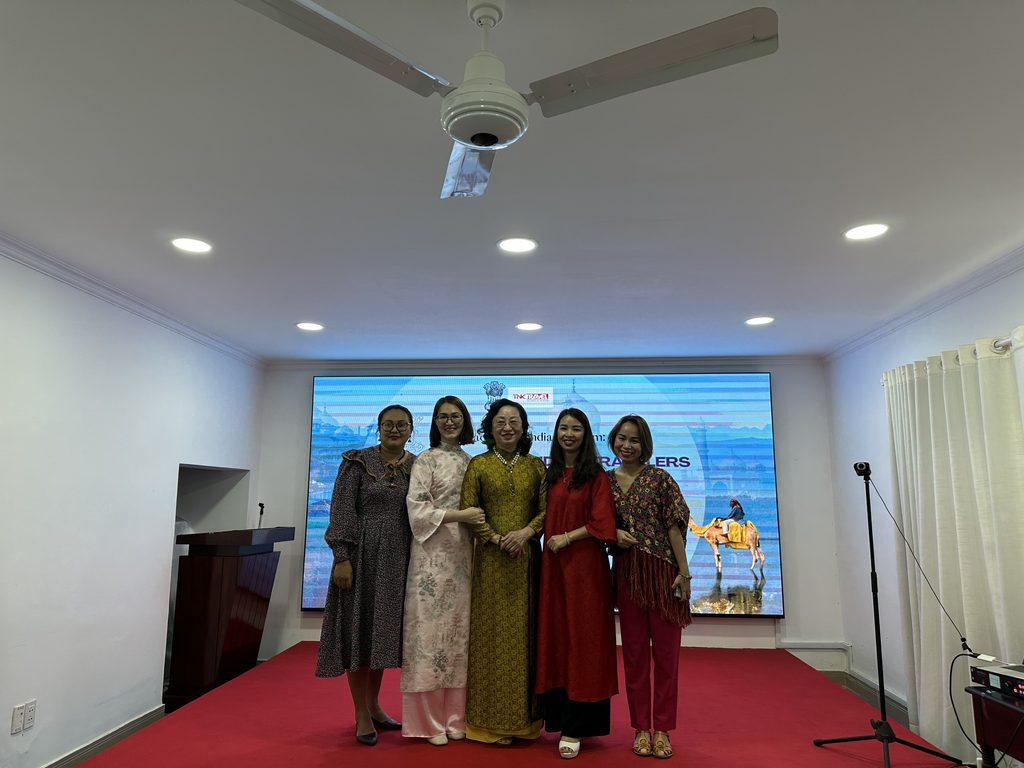
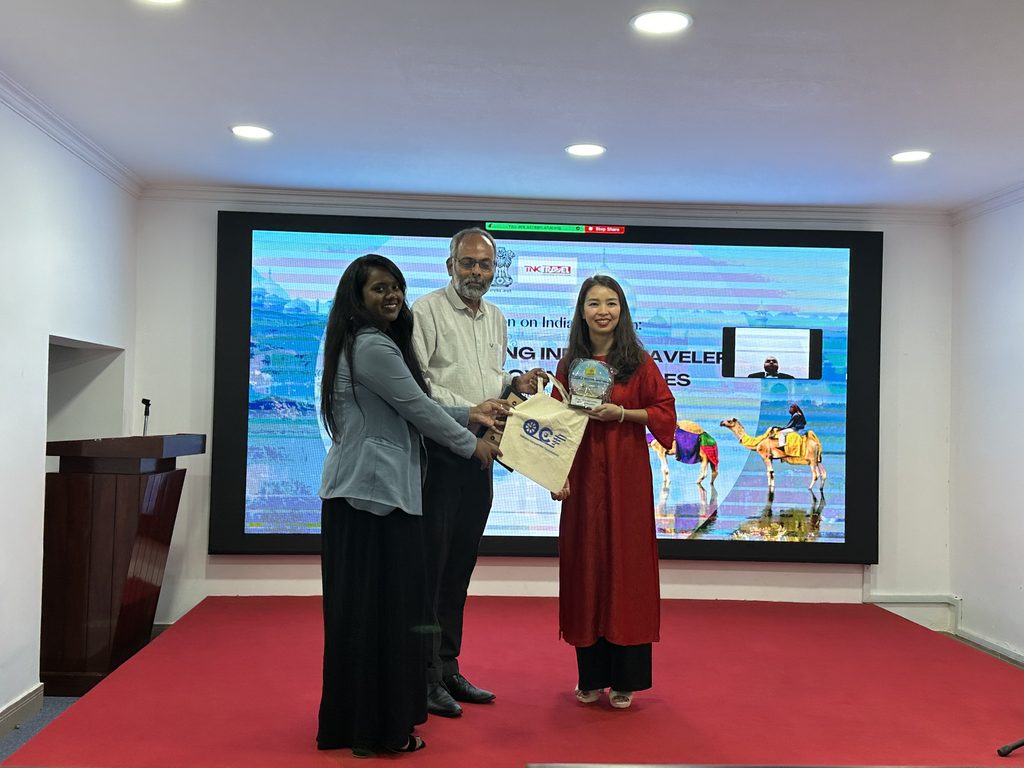
On March 7, Windows DMC co-hosted a workshop at the Consulate General of India, bringing together voices from both sides of a travel relationship that has been growing steadily in recent years: Vietnam and India. The event centered on a question that sits at the heart of good inbound travel planning — not just where Indian travelers want to go in Vietnam, or where Vietnamese travelers want to go in India, but why. What are they actually looking for when they cross that distance, and what makes the experience worth remembering once they arrive?
This post looks at what the workshop covered, why an event like this matters for a destination management company working in both markets, and what it signals about where the India-Vietnam travel relationship is heading.
Why a workshop, not just a trade meeting
Tourism partnerships often get built around numbers — arrival statistics, route capacity, hotel inventory. Those numbers matter, but they don’t explain why a traveler chooses one destination over another, or what turns a good trip into one they tell their friends about for years. That gap is exactly what this workshop set out to address.
Rather than a standard networking session, the event was structured as a genuine exchange of insight: what Indian travelers experience and expect when visiting Vietnam, and in turn, what Vietnamese travelers look for when visiting India. Understanding both sides of that relationship, rather than just one direction of travel, is what makes a workshop like this more useful than a typical trade briefing.
Inside the event
The workshop opened with remarks from Ms. Tra Mi, Deputy General Director of Windows DMC, who set the tone for the session with a sincere and direct framing of why the two countries’ tourism relationship deserves this kind of attention. Her opening emphasized a theme that ran through the rest of the event: that meaningful travel partnerships are built on understanding people, not just moving them from one place to another.
From there, the floor turned to Windows DMC’s own tour guide team, who delivered the day’s most substantive presentation. Guides who work directly with travelers moving between Vietnam and India shared what they consistently observe on the ground — the questions travelers ask before a trip, the moments that tend to stand out most during it, and the small frictions and delights that shape how a traveler remembers the whole experience afterward. This kind of firsthand, guide-level insight is difficult to gather any other way. It comes from repeated, direct contact with travelers rather than from surveys or aggregated data, and it’s exactly the sort of detail that turns a generic itinerary into one that actually resonates with a specific type of traveler.
What the workshop revealed about traveler psychology
Understanding the psychology behind a trip — why someone chooses a destination, what they hope to feel while they’re there, and what would make them recommend it afterward — is a different exercise from simply listing attractions. The workshop’s focus on this distinction reflects something Windows DMC has built its guide training and itinerary design around for years: that a well-run trip is not just logistically sound, it’s emotionally resonant.
For Indian travelers visiting Vietnam, that often means balancing a desire for iconic, photograph-ready landmarks with a genuine curiosity about everyday Vietnamese life — markets, food, and the rhythm of a place rather than just its postcard image. For Vietnamese travelers visiting India, the draw frequently runs in a similar direction: an interest in depth and authenticity, not just a checklist of famous sites.
Recognizing that shared pattern — travelers on both sides wanting more than a surface-level visit — is useful information for anyone building itineraries, training guides, or designing travel experiences meant to serve both markets well.
Two decades of experience, and what it means for a new market moment
Windows DMC brings more than two decades of tourism industry experience into conversations like this one, and that history shapes how the company approaches a growing bilateral relationship rather than treating it as an entirely new venture. Long-standing operational experience in Vietnam’s inbound tourism sector means the fundamentals — reliable guiding, well-planned logistics, genuine cultural fluency — are already in place. What events like this workshop add is a sharper, more current understanding of a specific traveler segment: the growing number of people moving between India and Vietnam for leisure, business, and cultural exchange.
Being invited to co-host this workshop with the Consulate General of India is, in that sense, both a recognition of that experience and a signal of where attention is turning next. It reflects the kind of standing that comes from consistent, reliable work with travelers over time, and it opens the door to deeper engagement with a market that is clearly expanding its interest in Vietnam as a destination.
Why the India-Vietnam travel relationship is worth watching
The connection between India and Vietnam as travel markets for each other has been building steadily. Indian outbound travel has grown substantially in recent years, with Southeast Asia — and Vietnam specifically — drawing increasing interest thanks to relatively convenient flight connections, a favorable cost of travel, and a destination profile that offers both natural scenery and cultural depth in a single trip. At the same time, Vietnamese interest in India as a travel destination continues to grow, driven by curiosity about India’s history, spiritual sites, and the sheer diversity of experience the country offers.
Workshops like this one are part of what turns that broad interest into a well-supported travel relationship rather than a passing trend. Direct conversations between operators, diplomatic representatives, and the guide teams actually working with travelers help surface practical details — visa processes, seasonal timing, cultural expectations — that matter far more to a traveler’s actual experience than headline arrival numbers ever will.
Building on trust with the Consulate General of India
Co-organizing an event like this with a diplomatic institution isn’t a small thing. It reflects a level of trust built over time, and it comes with a responsibility to represent the travel experience accurately and thoughtfully on both sides. Windows DMC extends sincere thanks to the Consulate General of India for that trust, and for the opportunity to bring this conversation to the table directly, rather than relying on secondhand market research.
That kind of institutional partnership also tends to open further doors — for future joint events, for closer collaboration with Indian travel trade partners, and for a steadier, more informed flow of Indian travelers choosing Vietnam as a destination, guided by operators who understand what they’re actually looking for.
What this means for travelers and travel partners
For travelers weighing a trip between Vietnam and India, workshops like this translate into something concrete: itineraries and guide experiences shaped by real, current insight into what travelers from each country actually want, rather than a generic template applied to any nationality. That distinction shows up in small but meaningful ways — how a guide frames a temple visit, which local experiences get prioritized on a city day, how a itinerary balances well-known sites against quieter, more personal ones.
For travel trade partners in India considering Vietnam as a destination to promote, or for anyone evaluating potential DMC partners on the ground, events like this are a useful signal. They show a company actively investing in understanding a specific market rather than treating every traveler segment the same way — and that kind of specificity tends to produce better outcomes for everyone involved: the traveler, the sending agent, and the destination itself.
FAQ
What was the March 7 workshop about? The workshop, co-hosted by Windows DMC at the Consulate General of India, focused on the psychology, desires, and experiences of travelers moving between Vietnam and India, drawing on direct insight from Windows DMC’s tour guide team.
Who is Windows DMC? Windows DMC is a destination management company with over two decades of experience in Vietnam’s tourism industry, working with travel partners and travelers to design and deliver on-the-ground travel experiences in Vietnam.
Why does understanding traveler psychology matter for trip planning? Traveler psychology — what someone hopes to feel and experience, not just which sites they visit — shapes how memorable and meaningful a trip turns out to be. Understanding it allows guides and itinerary designers to build experiences that genuinely resonate rather than following a generic template.
Is Vietnam a growing destination for Indian travelers? Indian outbound travel to Southeast Asia has been growing, with Vietnam benefiting from convenient flight connections, favorable travel costs, and a destination profile that combines natural scenery with cultural depth.
How can travel partners work with Windows DMC on the India-Vietnam market? Travel partners interested in collaborating with Windows DMC on itineraries, guide training insight, or joint market events can reach out directly to discuss partnership opportunities.
Looking ahead
Events like this workshop are, in many ways, the quieter groundwork behind a growing travel relationship — less visible than a marketing campaign, but often more consequential for how well that relationship actually serves travelers. Windows DMC is grateful for the opportunity to have taken part, and looks forward to continuing the conversation with the Consulate General of India and with travel partners on both sides as interest between Vietnam and India keeps building.